Everything First-Time Divers Need to Know Before Taking the Plunge in the Andaman Islands

There are few experiences on Earth that can match the feeling of taking your first breath underwater. The moment you descend beneath the surface, the noise of the world fades away. Schools of colourful reef fish glide effortlessly past you, soft corals sway with the current, and the turquoise waters of the Andaman Sea reveal a world that most people never get to witness.
For many travellers, scuba diving in Havelock Island is the highlight of their trip to the Andaman Islands. It is here, among pristine reefs and crystal-clear waters, that countless people discover a lifelong passion for diving.
If you’ve never scuba dived before, it’s natural to have questions. Is it safe? Can non-swimmers scuba dive? How much does it cost? Which dive centre should you choose? What marine life will you see?
This comprehensive beginner’s guide answers everything you need to know before taking your first dive in Havelock Island.
Why Havelock Island is India’s Best Place to Learn Scuba Diving
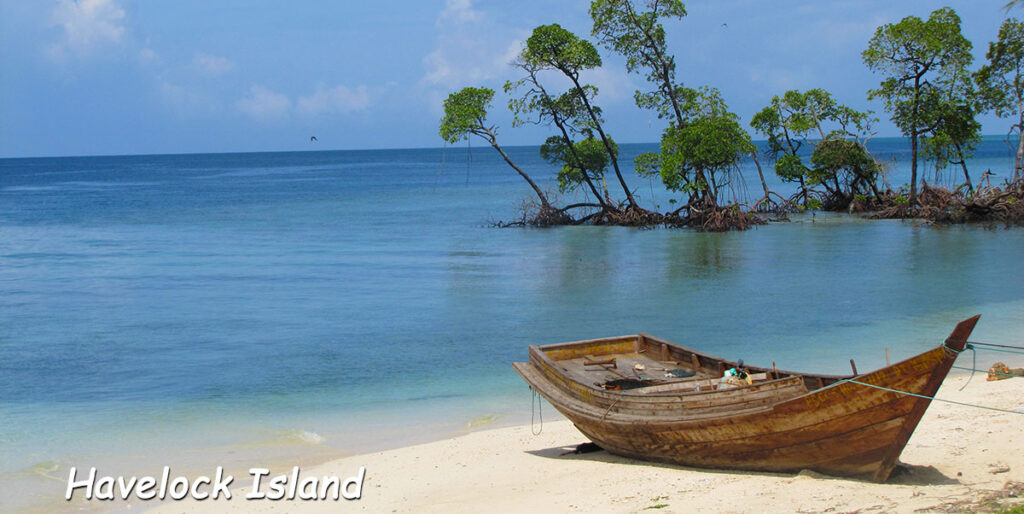
Havelock Island, officially known as Swaraj Dweep, is widely regarded as India’s scuba diving capital.
Several factors make it one of the finest beginner diving destinations in Asia.
Crystal Clear Water
Visibility often ranges between 15 and 30 metres, depending on the season. On exceptional days, visibility can be even better, allowing divers to fully appreciate the reefs.
Warm Tropical Water
Unlike many diving destinations that require thick wetsuits, Havelock enjoys water temperatures between 27°C and 30°C throughout most of the year.
This makes diving comfortable even for complete beginners.
Calm Diving Conditions
Many beginner dive sites are naturally protected from strong currents.
This allows new divers to focus on breathing, buoyancy and enjoying the underwater scenery rather than battling rough conditions.
Incredible Marine Biodiversity
The Andaman Sea is home to thousands of marine species including:
- Clownfish
- Butterflyfish
- Angelfish
- Parrotfish
- Lionfish
- Moray eels
- Giant clams
- Blue-spotted stingrays
- Octopus
- Sea turtles
- Reef sharks
- Barracuda
- Cuttlefish
- Colourful nudibranchs
- Hard and soft corals
Every dive is different.
Can Beginners Scuba Dive?
Absolutely.
In fact, thousands of first-time divers complete their introductory dives in Havelock every year.
You do not need:
- Previous diving experience
- Swimming expertise for many introductory experiences
- Your own equipment
- Diving certification
Every beginner dive is conducted under the close supervision of a certified dive professional.
Do You Need to Know Swimming?
This is probably the most common question.
The answer depends on the type of dive.
Discover Scuba Diving (DSD)
No swimming skills are generally required.
An instructor stays with you throughout the dive, managing your safety while introducing you to the underwater world.
Open Water Certification
If you wish to become a certified diver, you must meet basic swimming and floating requirements set by your training agency.
These skills are straightforward and are designed to ensure comfort and safety in the water.
What is Discover Scuba Diving?
Discover Scuba Diving, often called DSD, is designed specifically for people who have never scuba dived before.
The experience usually includes:
- Brief classroom session
- Equipment familiarisation
- Basic underwater skills
- Shallow water practice
- Guided open water dive
The instructor remains with you throughout the dive.
No certification is awarded, but it is often the first step towards becoming a certified diver.
What is PADI?
PADI stands for the Professional Association of Diving Instructors.
It is the world’s largest and most recognised recreational scuba diving organisation.
Millions of divers around the world have earned their certifications through PADI.
PADI certifications are accepted internationally and allow divers to explore dive sites across the globe.
Should You Get Certified?
If you discover that you love scuba diving, absolutely.
The PADI Open Water Diver certification is the world’s most popular scuba certification.
It allows you to dive independently with another certified diver up to recreational depth limits almost anywhere in the world.
The course usually includes:
- Theory sessions
- Pool or confined water training
- Open water dives
- Final certification
Many travellers begin with a Discover Scuba Diving session and decide to complete their certification during the same trip.
What Marine Life Will You See?
Every dive offers something different.
Some of the fascinating marine life commonly seen around Havelock includes:
Colourful Reef Fish
Expect large schools of tropical fish moving effortlessly across the coral reefs.
Sea Turtles
Green turtles and Hawksbill turtles are among the most memorable encounters.
Watching one glide gracefully through the water is unforgettable.
Coral Reefs
The reefs around Havelock feature healthy hard corals, soft corals, sea fans and sponges that support an astonishing variety of marine life.
Rays
Blue-spotted stingrays are often seen resting on sandy patches between reefs.
Macro Life
Tiny creatures such as nudibranchs, shrimps and colourful sea slugs delight underwater photographers.
Larger Visitors
Depending on the season and dive site, divers may also encounter reef sharks, barracuda, giant trevallies and eagle rays.
Best Time for Scuba Diving in Havelock
Scuba diving is possible for much of the year, but conditions vary.
October to May
This is generally considered the best diving season.
Expect:
- Excellent visibility
- Calm seas
- Comfortable weather
- Peak tourism season
June to September
The southwest monsoon brings stronger winds and rougher seas.
Many dive operators continue diving from protected sites when conditions allow, although schedules can change depending on the weather.
Popular Beginner Dive Sites Around Havelock
Some dive sites are especially suited for first-time divers.
Nemo Reef
Perhaps the most famous beginner dive site in India.
Shallow water, calm conditions and abundant marine life make it ideal for introductory dives.
The Aquarium
Known for colourful reef fish and healthy coral formations.
Lighthouse
One of Havelock’s iconic dive sites.
While parts of the site are suitable for experienced divers, conditions can also be excellent for guided recreational dives.
Tribe Gate
Another enjoyable site featuring rich coral life and fascinating marine biodiversity.
Your dive centre will choose the most suitable location based on weather, currents and your experience level.
Is Scuba Diving Safe?
When conducted with a reputable dive centre following internationally accepted standards, scuba diving has an excellent safety record.
Good dive operators prioritise:
- Equipment maintenance
- Certified instructors
- Small student-to-instructor ratios
- Thorough safety briefings
- Conservative dive planning
- Emergency preparedness
Never choose a dive centre based solely on price. Quality instruction and safety should always come first.
How Long Does a Beginner Dive Last?
Although the underwater portion usually lasts between 30 and 45 minutes, the complete experience generally takes around 2 to 3 hours, including:
- Registration
- Medical questionnaire
- Briefing
- Equipment fitting
- Boat ride or beach entry
- Practice session
- Guided dive
Allow half a day for the experience.
What Should You Bring?
Fortunately, not much.
Most dive centres provide:
- Wetsuit
- Buoyancy Control Device (BCD)
- Regulator
- Mask
- Fins
- Tank
- Weights
Bring:
- Swimwear
- Towel
- Dry clothes
- Sunscreen
- Drinking water bottles
- Waterproof bag
- GoPro if permitted
Avoid alcohol before diving, and stay well hydrated.
Health Requirements
Scuba diving is suitable for most healthy individuals.
However, certain medical conditions may require approval from a physician before diving.
Inform your dive centre if you have:
- Asthma
- Heart conditions
- Epilepsy
- Recent surgery
- Pregnancy
- Lung disorders
You’ll complete a medical questionnaire before diving.
Can Children Scuba Dive?
Yes.
Many introductory experiences are available for children from around 10 years of age, depending on the programme and training agency guidelines.
Always choose operators experienced in teaching young divers.
Flying After Diving
One of the most important safety rules in scuba diving is to avoid flying immediately after your dive.
Divers should wait before boarding a flight to reduce the risk of decompression sickness.
As a general recreational guideline:
- Wait at least 12 hours after a single no-decompression dive.
- Wait at least 18 to 24 hours after multiple dives or dive courses.
Whenever possible, schedule your diving earlier in your trip, and leave your final day for relaxing before flying home.
Choosing the Right Dive Centre
Havelock is home to several excellent dive centres.
When comparing operators, consider:
- PADI or internationally recognised affiliation
- Experienced instructors
- Small group sizes
- Equipment quality
- Safety standards
- Transparent pricing
- Positive recent reviews
- Environmental responsibility
A great instructor can make your very first dive an unforgettable experience.
Protecting Havelock’s Fragile Marine Ecosystem
The reefs around Havelock are living ecosystems that deserve respect.
Responsible divers should always:
- Never touch coral
- Avoid chasing marine animals
- Maintain good buoyancy
- Never collect shells or coral
- Avoid feeding fish
- Use reef-safe sunscreen where possible
- Carry reusable water bottles instead of single-use plastic
Every diver shares the responsibility of protecting the underwater world for future generations.
From Divers to Travellers: The Purple Manta Story
At Purple Manta, scuba diving is much more than an activity we recommend to visitors. It is a passion that inspired our love for the Andaman Islands in the first place.
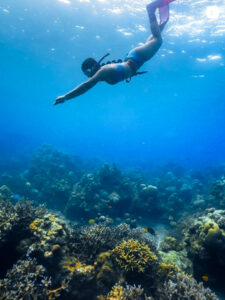
All the founders of Purple Manta are PADI-certified scuba divers who have spent countless hours exploring the vibrant reefs around Havelock Island. Some of our favourite memories are not on land but beneath the surface, drifting over coral gardens, watching sea turtles glide by, and discovering the incredible biodiversity that makes the Andaman Sea so special.
That deep connection with the ocean influences many of the products we create. Our collection of island-inspired enamel pins, insulated water bottles, keychains, postcards, luggage tags, T-shirts and other souvenirs celebrates the marine life, beaches and adventure that define Havelock. Whether you have just completed your first dive or are returning after years of underwater exploration, our designs are created to help you take a small piece of the islands home.
If you’re visiting Radhanagar Beach, we’d love to welcome you to the Purple Manta pop-up store, where fellow divers and ocean lovers often stop by to share stories of their underwater adventures.
Frequently Asked Questions
Is Havelock good for first-time scuba divers?
Yes. Calm conditions, warm water, excellent visibility and experienced instructors make Havelock one of the best places in India to learn scuba diving.
Is scuba diving scary?
Most first-time divers feel nervous before entering the water. Once you begin breathing slowly and comfortably underwater, that nervousness usually gives way to excitement and wonder.
Will I see sharks?
Small reef sharks are occasionally seen around Havelock. They are generally shy and pose little risk to recreational divers.
Can I wear glasses while diving?
Masks cannot accommodate regular glasses, but contact lenses are usually suitable. Prescription masks are also available from some operators.
Can I dive if I cannot swim?
For many Discover Scuba Diving experiences, yes. Your instructor remains with you throughout the dive. Certification courses have separate swimming requirements.
The Best Diving Destination for Beginners
Scuba diving is not just another adventure activity. It is an invitation to discover an entirely different world, one that exists quietly beneath the waves, hidden from those who never take the plunge.
For beginners, there is perhaps no better place in India to experience that first magical dive than Havelock Island. With its warm waters, colourful coral reefs, abundant marine life and professional dive centres, it offers the perfect introduction to the underwater world.
Many visitors arrive simply hoping to try scuba diving once. They leave with something far more valuable: a new perspective, unforgettable memories, and often a lifelong passion for the ocean.
If Havelock is on your travel itinerary, make time to look beneath the surface. The Andaman Sea has a remarkable way of turning first-time divers into lifelong ocean enthusiasts.